Unlocking Creative Potential: The Ultimate Guide to Interior Design Seamless Patterns
In the dynamic world of home decor and digital content creation, few tools offer as much versatility as interior design seamless patterns. These intricate designs are the unsung heroes behind beautiful wallpapers, fabric textures, and digital mockups. Whether you are a professional interior designer looking to elevate a client's presentation or a DIY enthusiast wanting to transform a room with a fresh look, understanding how to utilize these patterns is essential. This guide explores what makes these designs so special, how they function in modern creative workflows, and why they have become an indispensable resource for artists and homeowners alike.
What Are Seamless Patterns and Why Do They Matter?
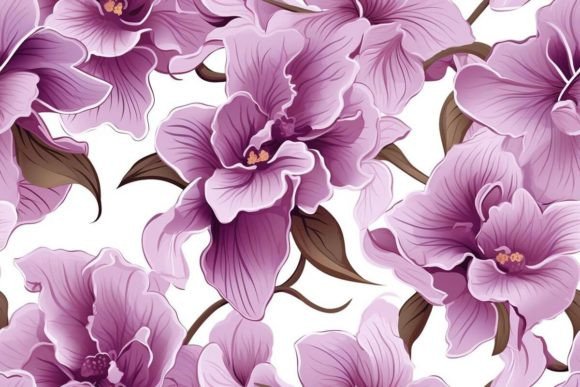
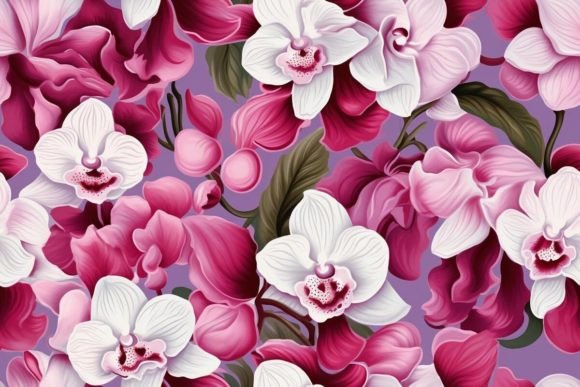
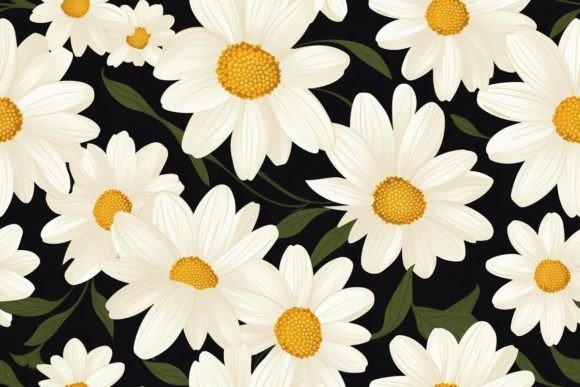
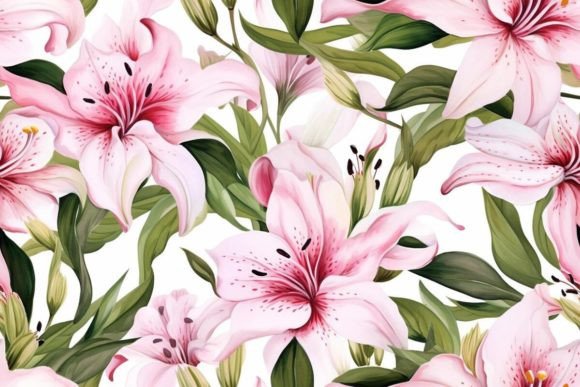
To truly appreciate the value of this asset, we must first define what a "seamless pattern" actually is. In the realm of graphic design and textile arts, a seamless pattern is a design that can be repeated horizontally and vertically without any visible breaks or edges. When tiled together, the image flows continuously, creating an infinite surface. This technical capability transforms a small, static image into a vast texture capable of covering walls, upholstery, flooring, or entire digital canvases.
The significance of seamless patterns lies in their efficiency and adaptability. Historically, creating such textures required complex manual drafting to ensure alignment at every edge. Today, high-quality digital assets allow creators to apply complex motifs instantly across any project. For interior designers, this means being able to visualize a specific wallpaper style on a wall or a fabric pattern on a sofa without needing physical samples for every single iteration. It bridges the gap between imagination and reality, allowing for rapid prototyping of ideas.
The Evolution from Physical Swatches to Digital Assets
Gone are the days when designers had to wait weeks for physical swatch books to arrive in the mail. The shift toward digital seamless patterns has revolutionized the industry. Modern workflows often involve downloading a ZIP file containing ready-to-use assets that can be dragged and dropped directly into design software like Adobe Photoshop, Illustrator, or specialized 3D rendering tools. This immediacy accelerates the creative process, enabling designers to experiment with bold colors and intricate geometries that might have been too risky or time-consuming to test physically.
This digital evolution also supports sustainability. By visualizing a space digitally using seamless textures, clients can make informed decisions before committing to expensive materials. If a pattern doesn't work, it costs nothing but a few clicks to change it, reducing waste and ensuring that the final result aligns perfectly with the client's vision.
Navigating Your Design Resources: Understanding File Formats
When acquiring a collection of interior design patterns, you will often encounter various file formats, each serving a specific purpose. A common package you might find includes a variety of files, such as JPG (JPEG) images. It is crucial to understand the strengths and limitations of these formats to get the best results for your projects.
- JPG Files: These are raster images, meaning they are made up of pixels. They are widely compatible and perfect for web use, social media previews, and basic photo editing. However, because they are pixel-based, enlarging them beyond their original resolution can lead to blurriness or pixelation. They are excellent for quick visualizations but may not be suitable for large-scale printing without high-resolution sourcing.
- File Organization: Many digital product packages come in a ZIP archive. Inside, you might see multiple files. It is important to note that titles associated with these files are sometimes randomly generated by automated systems and may be misleading. For instance, a file named "Pattern_04.jpg" might actually feature a floral motif rather than a geometric one. Therefore, focus on the product images themselves rather than relying solely on the filename to determine the content.
If you are unsure about the specific type of imagery included in a package, or if you require a particular style—such as mid-century modern florals versus industrial abstracts—it is always beneficial to communicate with the creator. Most platforms encourage users to leave comments specifying their needs, which helps the creator tailor future uploads to better serve the community.
Practical Applications in Modern Life and Business
The utility of seamless patterns extends far beyond simple decoration. They play a pivotal role in various sectors, from e-commerce to education and technology.
Interior Design and Real Estate
In the real estate sector, virtual staging is becoming the norm. Agents use seamless patterns to digitally furnish empty rooms, helping potential buyers visualize the space's potential. By applying a soft, textured rug pattern or a vibrant accent wall design, a bare room feels warm and inviting. Similarly, interior designers use these patterns to create mood boards that convey a cohesive aesthetic to clients, ensuring that colors and textures harmonize before a single piece of furniture is purchased.
E-Commerce and Product Photography
For businesses selling textiles, curtains, or home goods, seamless patterns are the foundation of product photography. Instead of photographing a roll of fabric, companies can use digital seamless textures to create realistic backgrounds or overlay patterns onto 3D models of products. This allows for consistent branding and high-quality visuals across online stores without the logistical nightmare of managing physical inventory for photoshoots.
Digital Art and Web Design
Creatives in the digital space rely heavily on these assets for website backgrounds, app interfaces, and social media graphics. A well-chosen seamless pattern can add depth and personality to a flat digital interface, making it feel more tactile and engaging. Furthermore, game developers use these textures to create immersive environments, simulating everything from ancient stone floors to futuristic metallic surfaces.
Maximizing Value: Tips for Using Your Pattern Collection
Once you have downloaded your collection, how do you ensure you are getting the most out of it? Here are some practical strategies to enhance your workflow:
- Preview Before You Purchase: Always examine the thumbnail images closely. As mentioned, filenames can be deceptive. Look for the visual representation to confirm the style, color palette, and complexity of the pattern.
- Check Resolution Requirements: Determine where you intend to use the image. For web use, standard JPG files are usually sufficient. For large-format printing, ensure the resolution is high enough (typically 300 DPI) to avoid grainy prints.
- Experiment with Blending Modes: In design software, don't just lay the pattern flat. Try changing the blending mode (e.g., Multiply, Overlay, Soft Light) to integrate the pattern naturally with underlying textures or photographs. This technique adds realism and depth.
- Customize Colors: Even if a pattern isn't in your exact desired shade, many design tools allow you to recolor the elements while maintaining the texture. This flexibility expands the usability of a single pattern file.
Building a Community Through Feedback and Support
The ecosystem of digital design thrives on interaction and feedback. Creators put significant effort into crafting unique, high-quality patterns that solve specific design problems. By engaging with these creators, you contribute to a cycle of improvement and innovation.
One of the most impactful ways to support these efforts is through reviews and ratings. When you leave a review, you provide valuable data that helps other users identify quality resources. Positive feedback encourages creators to continue producing diverse styles, while constructive criticism helps refine future collections. Additionally, following creators ensures you stay updated on new releases and exclusive offers.
Remember that the comment section is a powerful tool for communication. If you have specific requirements or requests for future uploads, expressing them clearly in the comments can shape the direction of upcoming products. This collaborative approach ensures that the available resources remain relevant to the evolving needs of the design community.
Conclusion: Embracing the Infinite Possibilities
Interior design seamless patterns are more than just decorative elements; they are foundational tools that empower creativity across numerous industries. From transforming a digital mockup into a tangible vision to streamlining the production of e-commerce content, their impact is profound. By understanding the nuances of file formats, focusing on visual content over misleading titles, and actively participating in the creator community, you can unlock the full potential of these versatile assets.
Whether you are a seasoned professional or a beginner exploring the world of design, incorporating seamless patterns into your toolkit is a step toward greater efficiency and artistic expression. As technology continues to evolve, so too will the capabilities of these digital textures, offering even more opportunities to bring our wildest design concepts to life. So, explore your options, leave your feedback, and let your creativity flow seamlessly.