Tile Repeating Patterns in Fashion Design: A Creative Tool for Modern Creators
Tile repeating patterns have long been a staple in graphic design, but their application in fashion design is gaining momentum. These patterns, which repeat seamlessly across a surface, offer a unique way to add texture, visual interest, and personality to clothing and accessories. Whether you're an independent designer or a seasoned fashion professional, understanding how to use tile repeating patterns can open up new creative possibilities.
What Are Tile Repeating Patterns?
Tile repeating patterns are designs that consist of a single unit or motif that repeats across a surface without visible seams. In the context of fashion design, these patterns can be applied to fabric, prints, or even digital mockups. The key advantage of tile repeating patterns is their ability to create a cohesive look while allowing for flexibility in scale and placement.
These patterns are often created using design software such as Adobe Illustrator or Photoshop, where designers can define a base tile and then repeat it across a canvas. This method ensures consistency and precision, making it ideal for both small-scale projects and mass production.
Where and When to Use Tile Repeating Patterns in Fashion
Tile repeating patterns can be used in various aspects of fashion design. One common application is in textile printing, where a repeating pattern can cover an entire garment, from shirts to dresses. This technique allows for bold, eye-catching designs that stand out on the runway or in retail stores.
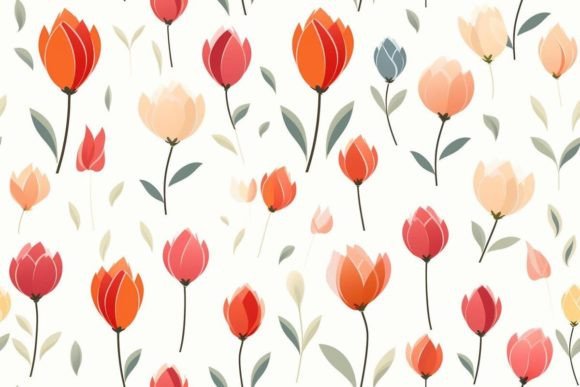
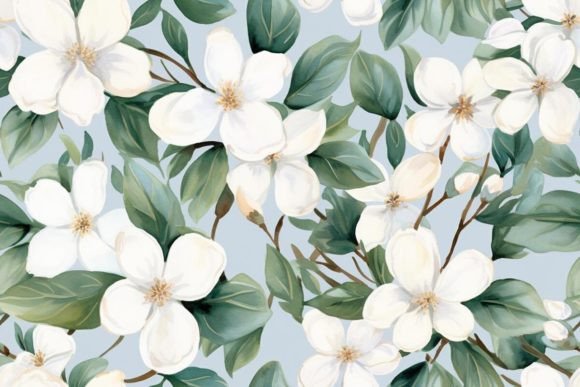
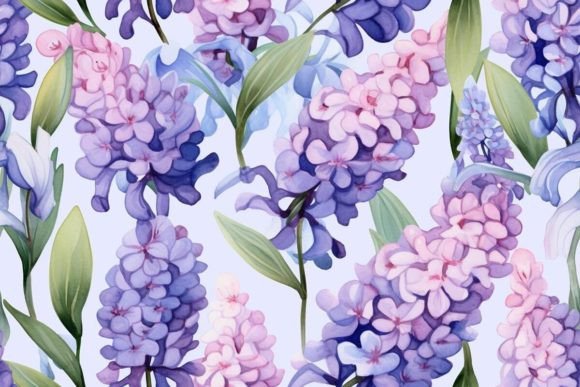
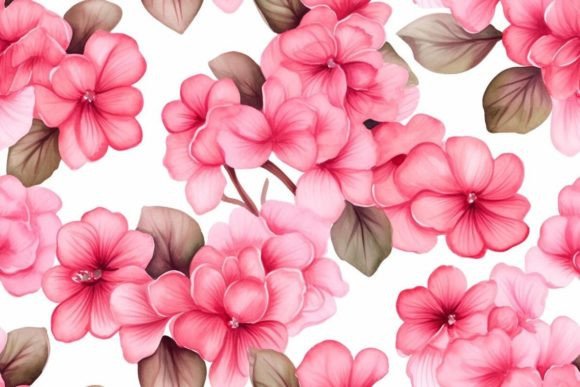
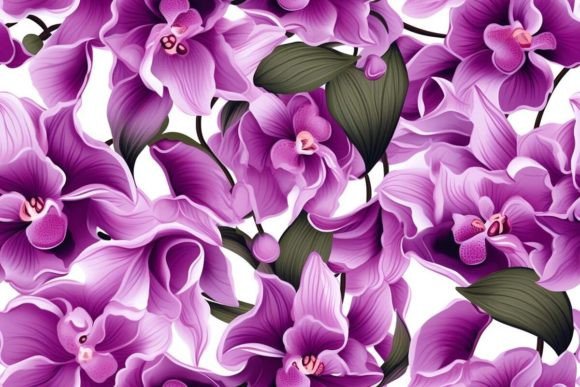
Another popular use case is in accessory design. Scarves, bags, and shoes can all benefit from tile repeating patterns, especially when the goal is to create a sense of movement or depth. For instance, a scarf with a subtle geometric tile pattern can add sophistication to any outfit, while a bag with a vibrant floral tile print can make a statement.
In digital fashion design, tile repeating patterns are essential for creating virtual garments and avatars. These patterns ensure that the design remains consistent regardless of the size or resolution, which is crucial for online fashion platforms and augmented reality experiences.
Why Tile Repeating Patterns Matter in Fashion Design
The versatility of tile repeating patterns makes them a valuable tool for fashion designers. They allow for experimentation with different styles, from minimalist to maximalist, without the need for complex illustrations or hand-drawn elements. This efficiency is particularly beneficial for independent creators who may be working with limited resources.
Moreover, tile repeating patterns can help reduce material waste. By using a single repeating unit, designers can minimize the amount of fabric needed for a particular design, which is not only cost-effective but also environmentally friendly. This aspect is increasingly important in today’s fashion industry, where sustainability is a top priority.
Real-World Applications and Benefits
For hobbyists and DIY enthusiasts, tile repeating patterns offer an accessible entry point into fashion design. With free or affordable design tools, anyone can create custom patterns for t-shirts, tote bags, or even home decor items. This accessibility has led to a rise in personalized fashion, where individuals can express their unique style through custom prints.
Entrepreneurs and small business owners can leverage tile repeating patterns to build a brand identity. A consistent pattern across different products can create a recognizable aesthetic, helping to establish a strong brand presence in the market. This approach is especially effective for niche markets, such as eco-friendly fashion or vintage-inspired designs.
Educators and students can also benefit from tile repeating patterns. In design courses, these patterns serve as excellent learning tools for teaching concepts like symmetry, balance, and color theory. Students can experiment with different motifs and see how they translate into real-world applications, making the learning process more engaging and practical.
Considerations Before Using Tile Repeating Patterns
While tile repeating patterns offer many benefits, there are a few things to consider before incorporating them into your designs. First, the choice of motif is crucial. A poorly designed tile can lead to an unappealing or confusing pattern, especially if the repetition creates unintended visual effects.
It's also important to think about the fabric and its properties. Some fabrics may not hold up well to intricate patterns, so it's worth testing the design on a sample before committing to a full production run. Additionally, the scale of the pattern should be appropriate for the intended use—too large a tile may not work well on smaller items like accessories, while too small a tile might get lost on larger garments.
Lastly, licensing and copyright considerations should not be overlooked. If using existing motifs or images, it's essential to ensure that they are royalty-free or properly licensed for commercial use. This step helps avoid legal issues and protects the integrity of the designer's work.
Getting Started with Tile Repeating Patterns
If you're new to tile repeating patterns, start by experimenting with simple shapes and colors. Online tutorials and design communities can provide valuable insights and inspiration. Many design software programs include built-in tools for creating and adjusting tile patterns, making it easier than ever to explore this creative avenue.
As you gain confidence, try combining different elements within a single tile to create more dynamic and visually interesting designs. Remember, the goal is to strike a balance between creativity and functionality, ensuring that the final product is both aesthetically pleasing and practical for its intended use.
Whether you're designing for yourself, your clients, or your brand, tile repeating patterns can be a powerful addition to your creative toolkit. With careful planning and attention to detail, you can transform simple motifs into stunning fashion pieces that stand out in the world of design.