Motif Repeating Patterns: A Versatile Design Element for Creative and Functional Applications
Motif repeating patterns are a fundamental aspect of design, offering both aesthetic appeal and functional utility across various industries. These patterns consist of a single motif or design element that is repeated in a consistent manner to create a cohesive visual effect. Whether used in textiles, architecture, digital media, or product design, motif repeating patterns play a crucial role in shaping the overall look and feel of a project.
Understanding Motif Repeating Patterns
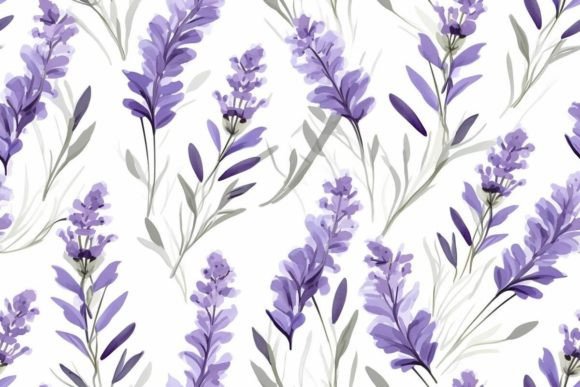
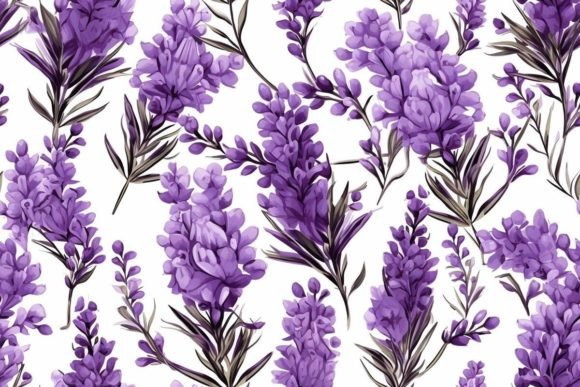
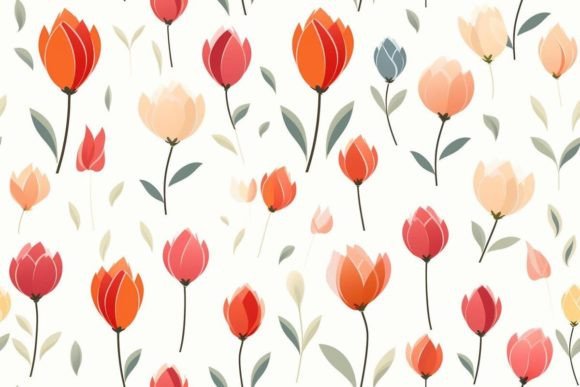
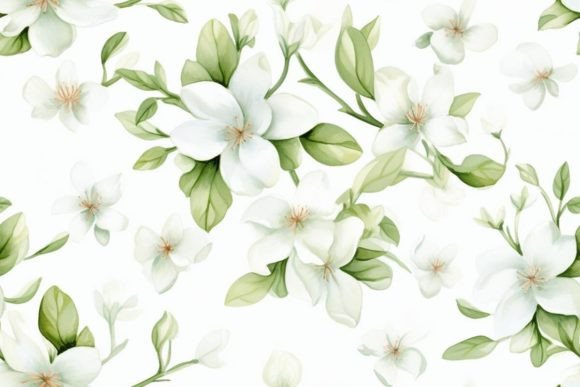
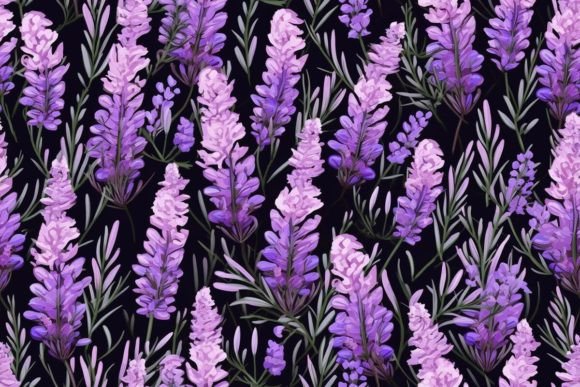
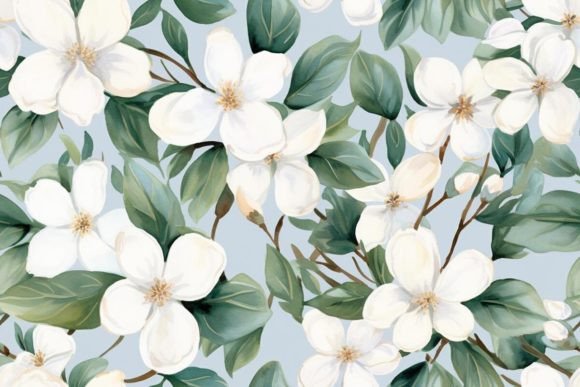
A motif is a basic unit of design that can be as simple as a geometric shape or as complex as an intricate floral pattern. When this motif is repeated systematically, it forms a pattern that can cover large areas without appearing monotonous. The key to effective motif repetition lies in balance—ensuring that the pattern is neither too dense nor too sparse, and that it complements the surrounding elements.
What makes motif repeating patterns distinct from other types of patterns is their ability to maintain visual interest while creating a sense of order and harmony. Unlike random or abstract patterns, motif-based designs offer predictability and consistency, which can be particularly beneficial in environments where clarity and focus are important.
Applications of Motif Repeating Patterns
Motif repeating patterns find application in numerous fields. In fashion, they are used to create fabric prints that can range from subtle to bold, depending on the motif and spacing. In interior design, these patterns are often found in wallpaper, flooring, and upholstery, adding texture and depth to a space.
In digital design, motif repeating patterns are employed in web backgrounds, app interfaces, and user experience (UX) elements. They help in maintaining a consistent visual language across different screens and platforms. Additionally, in architecture, repeating motifs can be seen in decorative elements such as tiles, moldings, and facades, contributing to the building's overall character.
Strengths of Motif Repeating Patterns
- Consistency: The repetitive nature of motif patterns ensures a uniform appearance, which is essential for branding and identity.
- Versatility: A single motif can be adapted to suit different contexts, making it a flexible choice for designers.
- Scalability: These patterns can be easily scaled up or down without losing their integrity, making them suitable for both small and large projects.
- Cost-Effectiveness: Because of their repetitive structure, motif patterns can be produced efficiently, reducing material and labor costs.
Potential Limitations
While motif repeating patterns offer many benefits, they also have certain limitations. One potential drawback is the risk of overuse, which can lead to a cluttered or overwhelming visual effect. It’s important to consider the size, spacing, and color of the motif when designing with repetition in mind.
Another consideration is the need for careful selection of the motif itself. If the motif is too complex or lacks contrast, it may not work well when repeated. Additionally, in some cases, motif patterns might not be the best choice for designs that require a more dynamic or unpredictable layout.
Comparing Motif Repeating Patterns with Alternatives
When comparing motif repeating patterns with other design approaches, it's important to consider the specific goals of the project. For instance, organic or freeform patterns may be preferable in situations where a more natural or fluid appearance is desired. These types of patterns are often used in art, photography, and landscape design, where the emphasis is on movement and variation rather than repetition.
On the other hand, if the objective is to create a structured and organized design, motif repeating patterns are likely to be more effective. They provide a sense of rhythm and continuity that can be difficult to achieve with non-repetitive designs.
In terms of functionality, motif repeating patterns can be compared to modular design systems, which also rely on repetition to build larger structures. However, while modular systems are typically more rigid and rule-based, motif patterns offer greater flexibility in terms of visual expression.
When to Choose Motif Repeating Patterns
Motif repeating patterns are ideal for projects that benefit from a sense of order and predictability. This includes branding materials, packaging design, and interior spaces where a cohesive look is essential. They are also well-suited for digital interfaces, where consistent visual elements contribute to a better user experience.
However, in scenarios where creativity and spontaneity are more important, alternatives to motif repeating patterns may be more appropriate. For example, in experimental art or avant-garde design, the use of irregular or asymmetrical patterns might be preferred to convey a unique or unconventional message.
Designing with Motif Repeating Patterns: Best Practices
To make the most of motif repeating patterns, it's important to follow certain best practices. First, start by selecting a motif that is visually appealing and well-suited to the intended application. Consider factors such as scale, color, and contrast to ensure that the pattern works well when repeated.
Next, pay attention to the spacing between motifs. Too much spacing can make the pattern appear disconnected, while too little spacing can create a busy or chaotic effect. Finding the right balance is key to achieving a harmonious design.
Finally, test the pattern in different contexts to see how it performs under various lighting conditions and viewing distances. This will help you identify any potential issues and make necessary adjustments before finalizing the design.
By following these guidelines, designers can effectively utilize motif repeating patterns to enhance the visual impact of their work while maintaining a sense of coherence and balance.